Why Most Travel Reward Programs Are a Trap (And The Strategic Simplicity That Actually Works)
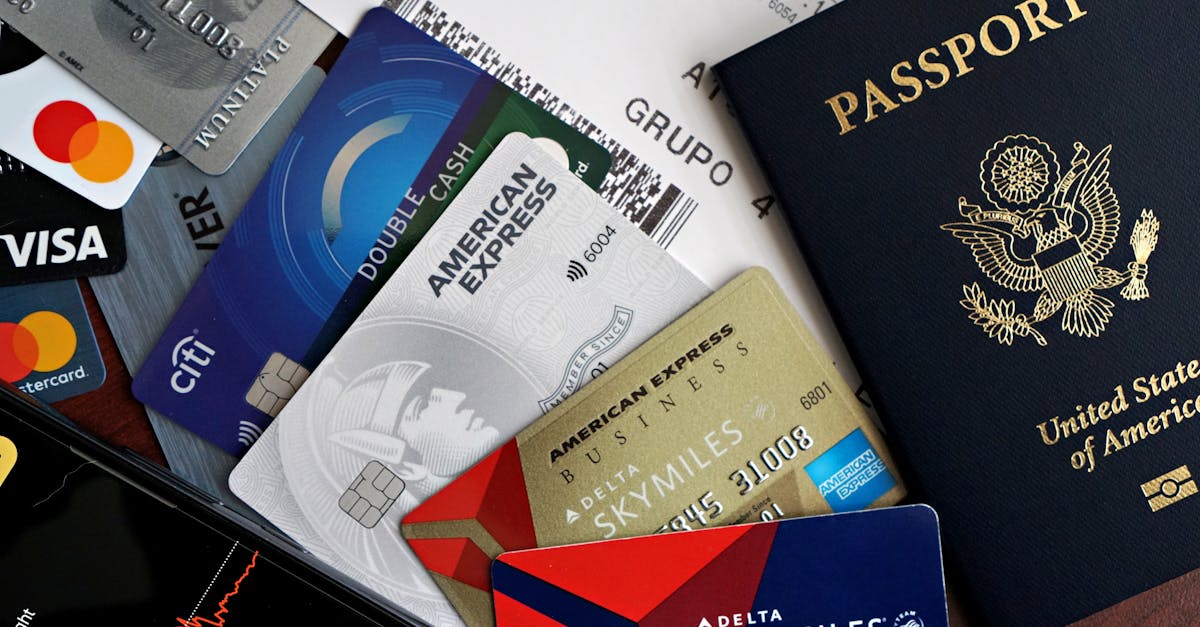
For years, I was that person at the airport lounge, smugly sipping an overpriced coffee, convinced I was a travel hacking genius. I had a wallet stuffed with half a dozen credit cards, each tied to a different airline or hotel chain, and a spreadsheet meticulously tracking points, miles, and expiry dates. I’d spend hours researching the optimal redemption routes, the arcane transfer ratios, and the latest sign-up bonuses. I thought I was beating the system.
Then, one particularly brutal trip to redeem a ‘free’ flight, I realized the truth: most travel reward programs are an elaborate, time-consuming trap designed to keep you spending, not actually saving. My ‘free’ flight required navigating blackout dates, paying exorbitant ‘carrier-imposed surcharges’ that were almost the cost of a regular ticket, and then dealing with a notoriously unhelpful customer service department when my ‘partner airline’ connection mysteriously disappeared. The hidden cost wasn’t just the cash; it was the mental load, the forced spending, and the sheer frustration. What started as a quest for free travel had morphed into a complex, high-maintenance hobby that drained my energy and often left me feeling fleeced.
My perspective completely shifted. I realized that true financial freedom and flexibility in travel come not from chasing every last point, but from a strategic simplicity that prioritizes cash and real value. I dismantled my complex system, consolidated my finances, and started using a far more effective, less stressful approach. If you’re tired of the game, or just starting out and feeling overwhelmed, this is what I wish I knew years ago.
Key Takeaways
- Travel reward programs often hide significant costs, restrictions, and complexities that negate perceived savings.
- The mental load and forced spending required to optimize rewards can outweigh the financial benefits.
- A simple, cash-focused strategy, paired with high-yield savings and a single, high-cashback card, often delivers more genuine flexibility and value.
- Prioritize immediate travel needs and budget over long-term, speculative points accumulation.
The Illusion of ‘Free’ Travel: Why Points Are Rarely Worth Their Face Value
Let’s be honest: the allure of a ‘free flight’ or ‘free hotel night’ is powerful. Marketers for credit card companies and loyalty programs are masters at painting a picture of aspirational travel, all funded by your everyday spending. The reality, however, is often far from free. I’ve come to see points and miles as a devalued, highly restrictive currency. Here’s why:
First, dynamic pricing has decimated fixed-value redemptions. Gone are the days when 25,000 miles reliably got you a domestic round-trip flight. Now, airlines use dynamic pricing for award tickets, meaning the number of points required fluctuates with demand, just like cash prices. This makes it incredibly difficult to get outsized value. Often, a ‘premium’ redemption for a business class seat requires so many points that their cash equivalent is shockingly low – sometimes less than a cent per point. You’re effectively getting a terrible exchange rate for your diligent spending.
Second, the ‘gotchas’ are everywhere. Think blackout dates, limited award availability, fuel surcharges, and partner airline complexities. I once tried to book a flight with a partner airline using my hard-earned points, only to find the exact route required me to call a specific international customer service line, wait for an hour, and then be told there was one seat available, but only if I flew on a Tuesday at 3 AM. The frustration alone made it feel like a costly endeavor, regardless of the ‘points’ value.
Third, points expire or devalue. Many programs have expiration policies, forcing you to use points before you’re ready or risk losing them. Even if they don’t expire, programs can (and do) devalue their currency without warning. That coveted flight that cost 50,000 points last year might be 75,000 points today. Your ‘savings’ are constantly eroding, making long-term accumulation a risky game. In my experience, the only way to truly ‘win’ with points is to spend an unreasonable amount of time monitoring and exploiting these systems, turning travel into a chore rather than a joy.
The Hidden Cost: Mental Load and Forced Spending
The most significant, yet often overlooked, cost of chasing travel rewards isn’t monetary; it’s the mental overhead. The time and energy I used to spend on my reward strategy was substantial. I was constantly:
- Tracking multiple cards and their benefits: Which card gives 3x on groceries this quarter? Which airline transfer partner is having a bonus? Did I hit the minimum spend on that new card for the sign-up bonus?
- Optimizing spending decisions: Should I buy this on my hotel card or my airline card? Is it worth using a specific card for a small purchase to hit a bonus category?
- Researching redemptions: Spending hours on airline and hotel websites, cross-referencing availability, comparing cash prices, and trying to find the ‘sweet spot’ for points value.
- Worrying about expiry dates and devaluations: A constant low-level anxiety that my hard-earned points would lose value or vanish before I could use them.
This wasn’t ‘passive’ income; it was a part-time job. I remember agonizing over whether to put a small, everyday expense on a particular card just to reach a slightly higher tier in a loyalty program. This kind of forced spending, or spending more than I normally would have, is a direct contradiction to true financial freedom. The goal should be to save money, not find elaborate ways to spend it to get a conditional ‘perk.’
What changed everything for me was realizing that my brainpower was better spent elsewhere – on my actual career, my hobbies, or simply enjoying my life. The perceived savings from points often came at the cost of my mental peace and made me feel beholden to the systems rather than empowered by them.
The Strategic Simplicity: Cash is King for True Flexibility
After years of playing the points game, I embraced a radically simpler approach that has genuinely increased my travel flexibility and reduced my financial stress: prioritize cash and earn high, straightforward cashback.
This means a few key shifts:
A Single, High-Value Cashback Credit Card: Instead of a dozen niche cards, I now primarily use one credit card that offers a high, flat cashback rate (e.g., 2% on everything) or excellent category bonuses on my biggest spending areas (groceries, dining). The cashback goes directly into my bank account or is applied as a statement credit, no strings attached, no convoluted redemptions. This simplifies my wallet, my spending decisions, and my financial tracking.
Dedicated Travel Savings Account: I opened a separate, high-yield savings account specifically for travel. Every month, a fixed amount of money is automatically transferred into this account, just like I save for retirement or an emergency fund. All my cashback rewards also go directly into this fund. This creates a tangible, growing pool of actual money I can use for any travel, without being tied to a specific airline, hotel, or a minimum points threshold.
Focus on Real Discounts, Not Just Points: When I book travel, I focus on finding real cash discounts through comparison sites, flash sales, or by being flexible with dates and destinations. That actual cash saving is always more valuable than a ‘points redemption’ that has a hidden cash value and restrictions. I use cashback portals (like Rakuten) for online purchases, getting real money back that also goes straight into my travel fund.
This approach provides unparalleled flexibility. I can choose any airline, any hotel, any time. I’m not stuck trying to find ‘award availability’ or deciphering convoluted transfer charts. If a cheap flight pops up, I can book it instantly with my cash. If a boutique hotel has a great deal, I’m not forced into a chain where my points are valid. My travel decisions are driven by my preferences and budget, not by a points ledger.
Building a Travel Fund That Actually Works for You
To build a robust travel fund, it’s not just about earning cashback; it’s about intentional saving. Here’s how I structured my approach to make it genuinely work:
- Automate Your Savings: This is non-negotiable. Set up a recurring transfer from your checking account to your dedicated travel savings account. Even a small amount, like $50 or $100 a month, adds up significantly over time. It removes the decision-making and ensures consistent progress.
- Channel All ‘Found Money’ to Travel: Did you get a bonus at work? A tax refund? Cashback from your credit card? Automatically direct a portion (or all) of this ‘extra’ money into your travel fund. This accelerates your savings without feeling like a sacrifice from your regular budget.
- Set Clear, Tangible Goals: Instead of vaguely wanting to ‘travel more,’ identify specific trips you want to take and research their approximate cost. Want to spend a week in Mexico? Research flight and hotel costs, and then break it down into a monthly savings goal. Seeing a concrete target makes the savings more motivating than just accumulating abstract points.
- Visualize Your Progress: Use a simple spreadsheet or even a physical jar to track your travel fund. Seeing that number grow, or the jar fill up, reinforces the habit and keeps you motivated. This tangible progress is far more satisfying than watching a points balance that fluctuates unpredictably.
This strategy aligns your spending with your actual financial goals. You’re not trying to game a system; you’re simply earning real money back on your necessary expenses and intentionally saving for experiences you truly value. It’s less thrilling than ‘travel hacking,’ perhaps, but it’s infinitely more reliable, flexible, and ultimately, truly rewarding.
Common Misconceptions and Why They Miss the Mark
When I first started simplifying my travel finance strategy, I encountered a few common arguments and misconceptions that often keep people entangled in complex reward programs:
Misconception 1: “But you get such outsized value with points for business/first class!”
My take: While it’s true that a business class seat might cost fewer points than its equivalent cash value, the sheer number of points required often means you’ve had to spend tens of thousands, if not hundreds of thousands, of dollars to earn them. The ‘value’ is often inflated by comparing it to an exorbitant cash price you’d likely never pay anyway. If you simply saved that same amount of cash, you’d have much more flexibility to fly business class on a cash sale, or, more realistically, enjoy several wonderful economy trips. The opportunity cost of accumulating those points, including potential annual fees on multiple cards, can be substantial.
Misconception 2: “It’s easy! I just use one airline card.”
My take: Even with one airline card, you’re tying yourself to a single ecosystem. This limits your flexibility dramatically. What if another airline has a better route, better price, or better schedule for your desired destination? What if your preferred airline devalues its points or cuts routes? My goal is to maximize my options, not restrict them.
Misconception 3: “It’s fun to ‘hack’ the system!”
My take: For some, it truly is a hobby, and if you enjoy the intricate game of points and miles, then by all means. However, for most people (myself included, eventually), the ‘fun’ quickly gives way to frustration and a sense of being constantly on the hook. My goal for travel is relaxation and exploration, not a complex mental puzzle. I’d rather allocate that ‘fun’ energy to planning the actual adventure than agonizing over redemption charts.
Ultimately, the point isn’t that reward programs never work for anyone. It’s that for the vast majority of people, the effort, hidden costs, and restrictions involved make them far less beneficial than a simple, cash-focused strategy. I found true freedom when I stopped trying to outsmart the system and started building my own straightforward path to travel.
Frequently Asked Questions
How much cashback should I aim for on my credit card?
Aim for at least 2% cashback on all general spending if possible. Some cards offer higher percentages (e.g., 3-5%) in rotating categories or specific spending areas like groceries or dining. Focus on the categories where you spend the most, ensuring the cashback is easy to redeem (statement credit or direct deposit).
Is it ever worth getting a travel rewards credit card for the sign-up bonus?
Sometimes, yes, but with caution. A generous sign-up bonus can offer good initial value. However, only pursue these if you can comfortably meet the minimum spending requirement with your normal expenses without going into debt. Factor in any annual fees that might apply after the first year. My approach prioritizes simplicity, so I only consider this for very high bonuses that clearly outweigh the complexity, and I often cancel the card after the first year to avoid recurring fees.
How can I find good cash deals on flights and hotels?
Utilize flight comparison sites like Google Flights, Skyscanner, or Kayak, setting price alerts for desired destinations. For hotels, check sites like Booking.com, Hotels.com, and directly on hotel chain websites (they often have ‘member’ discounts). Being flexible with your travel dates and considering off-peak seasons can lead to significant savings. Also, keep an eye out for flash sales from specific airlines or tour operators.
Should I close my existing travel rewards credit cards?
Before closing old cards, consider their impact on your credit score (length of credit history, credit utilization). It’s often better to keep old cards open, especially if they have no annual fee, even if you just use them for a small recurring charge to keep them active. If a card has a high annual fee and you’re no longer getting value from the benefits or points, then canceling might be the right move. Call the issuer first; sometimes they offer retention bonuses or downgrade options to a no-fee card.
What if I have a lot of points already accumulated?
If you have a significant stash of points, focus on redeeming them efficiently for high-value travel before they devalue or expire. Use them for a trip you genuinely want to take, rather than holding onto them speculatively. Once those points are used, you can transition to a more cash-centric approach for future travel.
Conclusion: Reclaiming Your Freedom to Travel
Shifting from a complex travel rewards strategy to one centered on strategic simplicity and cash accumulation was a game-changer for my travel experiences and my overall financial well-being. I stopped feeling like I was constantly trying to outsmart a system designed to extract maximum value from me, and instead started feeling genuinely empowered by my choices.
By focusing on high-yield savings, straightforward cashback, and intentional budgeting, I built a travel fund that offers true flexibility. No more wrestling with blackout dates, hidden fees, or the constant mental burden of optimizing points. My travel decisions are now based on where I want to go and what I want to experience, not on where my points are valid. If you’re ready to reclaim the joy and freedom of travel, I encourage you to simplify your approach. Start building that travel fund today, and let your adventures be truly free.
Written by Elias Vance
Historical & Cultural Deep Dives
A meticulous researcher and seasoned itinerary planner, Elias unearths the historical layers and logistical nuances of every destination.
You Might Also Like

Why Most Travel Insurance Fails Most People (And What Actually Works for Real Protection)
Don't fall for generic travel insurance policies. Learn why they often disappoint and discover how to get the right coverage for your next adventure.

Why Travel Budgeting Fails Most People (And What Actually Builds Financial Freedom on the Road)
Discover why traditional travel budgeting falls short and learn a dynamic, experience-driven approach to truly control your travel spending.
Why Travel Loyalty Programs Fail Most People (And What Actually Builds Real Rewards)
Uncover the hidden traps in travel loyalty programs and learn what truly maximizes your points and perks, without falling into common pitfalls.