
Why Most Travel Insurance Fails Most People (And What Actually Works for Real Protection)
Every time I plan a big international trip, the same scenario plays out. I’m staring at a dizzying array of travel insurance options, each promising peace of mind, but all looking suspiciously similar. You click through, compare a few, maybe pick the cheapest, or the one with the biggest headline coverage number, and assume you’re protected. Then, if something actually goes wrong — a lost bag, a sudden illness, a canceled flight — you’re met with a wall of fine print, exclusions, and a claims process that feels designed to make you give up. I’ve been there, thinking I was covered, only to find the “emergency medical” policy had a ridiculous deductible or didn’t cover the very activity I was planning. It’s frustrating, costly, and completely undermines the whole point of buying insurance: security.
Most people approach travel insurance like a necessary evil, a box to check off the pre-trip list. But in my experience, this casual attitude is exactly why most travel insurance policies fail to deliver when it matters most. They’re often broad, generic, and not tailored to the specific risks of your trip. It’s not just about having a policy; it’s about having the right policy. And knowing the difference can literally save your trip – and your wallet.
Key Takeaways
- Generic, one-size-fits-all travel insurance policies often contain significant exclusions that leave travelers unprotected when claims arise.
- The most effective approach is a ‘layered’ insurance strategy, combining primary health, credit card benefits, and targeted supplemental policies.
- Always meticulously review policy wording for specific exclusions, particularly for adventure activities, pre-existing conditions, or high-value items.
- Consider specialized policies for unique risks like extreme sports, remote travel, or specific gear protection, rather than relying on broad coverage.
The Illusion of Comprehensive Coverage: What They Don’t Tell You
The biggest pitfall I see people fall into is believing that a standard travel insurance policy offers comprehensive, all-encompassing protection. It rarely does. These policies are often designed to cover the most common, low-cost disruptions: minor flight delays, lost luggage with basic compensation, or a medical emergency in a relatively accessible area. The moment your situation veers even slightly into the uncommon or adventurous, that ‘comprehensive’ facade crumbles.
For instance, many policies explicitly exclude or severely limit coverage for adventure activities like scuba diving, rock climbing, or even certain types of trekking. I once had a client who purchased a seemingly good policy for a trip to Patagonia, only to find out, after a minor climbing accident, that all ‘roped activities’ were excluded. The policy looked great on paper, covering medical emergencies up to $100,000, but the devil was in the details of the exclusion list. It cost him thousands out-of-pocket.
Another common area of failure is around pre-existing medical conditions. Many policies either don’t cover them at all or require a very specific (and often expensive) rider, which most people either overlook or deem unnecessary until it’s too late. The assumption is often, “I’m healthy, it won’t apply to me.” But even a minor, chronic condition can be flagged, invalidating a claim if not properly disclosed and covered. The default is often denial, placing the burden of proof (and cost) squarely on the traveler. Don’t assume; always read the fine print and clarify directly with the insurer if you have any doubts.
Your Credit Card’s Hidden Protections (And Their Critical Limitations)
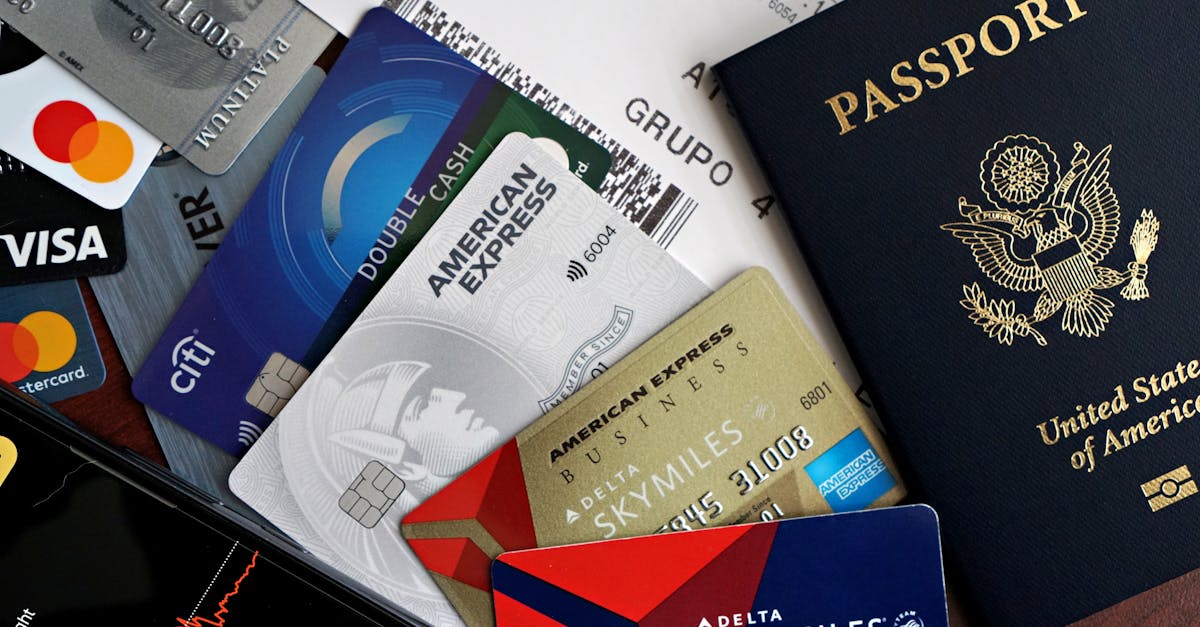
Many premium travel credit cards offer a surprising amount of built-in travel insurance. This is a game-changer for many travelers and forms a core part of my layered insurance strategy. These benefits can include trip cancellation/interruption, lost or delayed baggage, rental car insurance, and even some emergency medical coverage.
For example, I’ve personally saved hundreds by relying on my Chase Sapphire Reserve card for primary rental car collision damage waiver (CDW) coverage, avoiding the exorbitant fees charged by rental agencies. It also has a solid trip delay benefit that kicks in after a relatively short delay, covering meals and lodging. These are real, tangible benefits that often exceed basic, paid travel insurance policies for common issues.
However, it’s crucial to understand their limitations. Credit card benefits are typically secondary to any other insurance you might hold. This means they’ll only pay out after your primary insurance (like homeowner’s for luggage, or your personal health insurance for medical) has been exhausted. Their medical coverage is usually minimal, often just emergency evacuation, and rarely covers pre-existing conditions. Furthermore, they only cover trips booked entirely with that specific card, and often have lower coverage limits compared to dedicated policies for major incidents.
My actionable advice here: Before any trip, call your credit card providers and get a detailed list of their travel benefits. Understand what’s covered, what’s excluded, and if it’s primary or secondary. This information allows you to identify gaps and purchase supplemental insurance more intelligently, rather than duplicating coverage you already have, or worse, thinking you’re covered when you’re not.
The ‘Layered’ Insurance Strategy That Actually Works
Instead of buying a single, supposedly ‘comprehensive’ policy, I advocate for a layered insurance strategy. This means leveraging multiple forms of coverage to create a robust safety net, addressing specific risks with appropriate solutions. Here’s how I break it down:
Your Primary Health Insurance: Most domestic health insurance policies offer little to no coverage outside your home country. Even if they do, the reimbursement process can be agonizingly slow and complex. However, if you have a robust plan, check its international emergency coverage. For some, a good domestic plan might provide some foundational emergency care, making supplemental policies cheaper.
Credit Card Benefits: As discussed, these are your first line of defense for common inconveniences like rental car damage, basic trip delays, and some lost luggage. Maximize these by always booking travel with the card that offers the best relevant benefits.
Supplemental Travel Medical Insurance: This is non-negotiable for international travel. Your credit card’s medical benefits are usually limited to evacuation. A dedicated travel medical policy fills this gap, covering doctor visits, hospital stays, prescription medications, and emergency dental work abroad. Look for policies with high medical limits (e.g., $250,000+) and robust emergency evacuation coverage. This is where you don’t skimp. Be sure it covers any specific activities you plan, like scuba diving or high-altitude trekking, and that it addresses any pre-existing conditions if applicable.
Trip Cancellation/Interruption (Optional, but Recommended for Big Trips): If you’re spending thousands on a non-refundable trip, a dedicated trip cancellation policy protects that investment. While credit cards offer some, a standalone policy often has higher limits and broader reasons for cancellation (e.g., a family member’s illness not covered by the credit card). This is especially important for complex itineraries or expensive tours where losing your deposit would be financially painful.
Specialized Policies (If Applicable): Are you bringing expensive camera gear? Planning a multi-month cycling tour? Going on a heli-skiing adventure? Standard policies will not cover these adequately. You’ll need specific gear insurance (often an extension of homeowner’s, or a standalone policy), adventure sports riders, or even dedicated policies for remote rescue. I’ve learned that trying to squeeze niche activities into a generic policy is a recipe for disaster. Identify your unique risks and find a policy designed for them.
By taking this layered approach, you build a much more resilient and cost-effective safety net. You’re not paying for redundant coverage, and you’re ensuring that the most critical, high-cost risks are genuinely addressed.
The Overlooked Power of ‘Cancel for Any Reason’ (CFAR) Coverage
One of the most powerful, yet often misunderstood, travel insurance options is “Cancel for Any Reason” (CFAR) coverage. While typically more expensive – often adding 40-60% to the cost of a standard policy – it offers a level of flexibility and peace of mind that no other policy can touch. In my experience, for major, non-refundable trips, this is an absolute game-changer.
Standard trip cancellation policies only cover cancellations for specific, listed reasons: a sudden illness, a death in the family, severe weather impacting travel, or a terrorist attack at your destination. But what if you simply change your mind? What if a political situation deteriorates but isn’t officially deemed ‘dangerous’ enough by the insurer? What if you’re just not feeling well enough to travel, but it’s not a severe medical emergency? A standard policy will likely deny your claim.
CFAR, as the name implies, allows you to cancel your trip for any reason and receive a partial refund (typically 50-75% of your non-refundable costs). There are usually strict requirements: you must purchase it within a short window (10-21 days) of your initial trip deposit and insure 100% of your pre-paid, non-refundable costs. I’ve seen CFAR save trips for clients when unexpected work commitments came up, or when they simply decided a particular destination wasn’t right for them at that moment. For truly expensive, long-planned, or inflexible trips, the added cost is often a worthwhile investment in ultimate flexibility.
Navigating the Claims Process: Your Biggest Challenge
Even with the perfect policy, your protection is only as good as your ability to make a successful claim. This is where many policies, and travelers, truly fail. Insurers, like any business, are incentivized to minimize payouts. The claims process can be an arduous journey, fraught with paperwork, requests for additional documentation, and lengthy delays.
What changed everything for me was a rigorous approach to documentation. I learned this the hard way after a minor incident where I couldn’t produce enough evidence. Now, for every trip, I maintain a digital folder of everything:
- Policy Documents: Full policy wording, not just the summary.
- Booking Confirmations: Flights, hotels, tours, showing dates and costs.
- Communications: Emails with airlines, tour operators, hospitals.
- Receipts: For any expenses incurred due to a covered event (e.g., new toiletries for lost luggage, doctor’s visit receipts).
- Official Reports: Police reports for theft, airline delayed/lost baggage reports, doctor’s notes, weather reports for cancellations.
- Photographs: Of damaged luggage, injuries, adverse conditions.
When a covered event occurs, act immediately to document it. If your bag is lost, get the airline’s official report before leaving the airport. If you’re sick, get a doctor’s note detailing the diagnosis and treatment. Don’t wait until you’re home. The more contemporaneous and official your documentation, the smoother your claims process will be. Remember, the burden of proof is always on you.
Finally, if your claim is denied, don’t give up immediately. Review the denial letter carefully, understand the specific reason for denial, and if you believe it’s incorrect, appeal it with additional documentation or clarification. Sometimes, it’s a matter of providing more precise information, not that you weren’t covered. This proactive approach separates those who get paid from those who get frustrated.
Frequently Asked Questions
Q: Is travel insurance really necessary, especially for short, domestic trips?
A: For short, domestic trips, the necessity is lower but not zero. Your primary health insurance, homeowner’s insurance (for baggage), and credit card benefits often cover most risks. However, if the trip is expensive and non-refundable (e.g., a cruise, a concert package), trip cancellation/interruption insurance can still be valuable. For medical emergencies, your domestic health insurance should cover you, but emergency evacuation might be limited if you’re in a very remote area.
Q: When is the best time to buy travel insurance?
A: Generally, it’s best to buy travel insurance as soon as you make your first non-refundable deposit. Many policies, especially those covering pre-existing conditions or offering ‘Cancel for Any Reason’ benefits, have a time-sensitive window (often 10-21 days) from your initial payment to be eligible for full coverage. Waiting until the last minute can limit your options and coverage.
Q: What are some common exclusions to watch out for in standard policies?
A: Beyond pre-existing conditions and adventure sports, watch out for exclusions related to: acts of war/terrorism (though some policies do cover limited situations), natural disasters (some require specific riders), alcohol/drug-related incidents, self-inflicted injuries, certain types of pandemics (read the fine print carefully, especially post-COVID), and specific high-value items if not individually listed and insured. Always, always read the full policy document.
Q: Should I buy insurance directly from an airline or tour operator?
A: In my experience, buying insurance directly from an airline or tour operator is often not the best value. These policies tend to be less comprehensive, more expensive, and primarily benefit the seller, often only covering issues related to their services. Independent travel insurance providers generally offer more robust coverage, better flexibility, and more competitive pricing. Compare these options thoroughly before committing.
Q: What’s the difference between primary and secondary coverage?
A: Primary coverage means the insurance company pays out first, up to its limits, regardless of any other insurance you might have. Secondary coverage means it will only pay out after your other applicable insurance (e.g., your personal health or homeowner’s policy) has paid out its maximum. Many credit card benefits are secondary, which means you’ll still need to file with your primary insurer first, which can be a hassle.
Conclusion
Thinking that ‘any’ travel insurance is good enough is a common, and often costly, mistake. The landscape of travel insurance is complex, filled with fine print and specific exclusions that can turn what you thought was a safety net into a sieve. My journey through countless policies, claims, and even a few denied payouts, taught me that genuine protection comes from a nuanced, layered approach.
Don’t just buy a policy; build a shield. Understand your primary coverages (health, credit card), then intelligently fill the gaps with targeted supplemental policies for medical emergencies, trip investments, and any unique risks your adventure entails. And most importantly, arm yourself with meticulous documentation. It’s not the most glamorous part of travel planning, but it’s the most powerful differentiator between a covered crisis and a financially devastating one. Take the time to understand your options, read the fine print, and travel with real peace of mind.
Written by Elias Vance
Historical & Cultural Deep Dives
A meticulous researcher and seasoned itinerary planner, Elias unearths the historical layers and logistical nuances of every destination.
You Might Also Like
Why Most Travel Reward Programs Are a Trap (And The Strategic Simplicity That Actually Works)
Uncover the hidden complexities and traps of travel reward programs, and learn a simpler, more effective strategy for maximizing your travel savings.

Why Travel Budgeting Fails Most People (And What Actually Builds Financial Freedom on the Road)
Discover why traditional travel budgeting falls short and learn a dynamic, experience-driven approach to truly control your travel spending.
Why Travel Loyalty Programs Fail Most People (And What Actually Builds Real Rewards)
Uncover the hidden traps in travel loyalty programs and learn what truly maximizes your points and perks, without falling into common pitfalls.