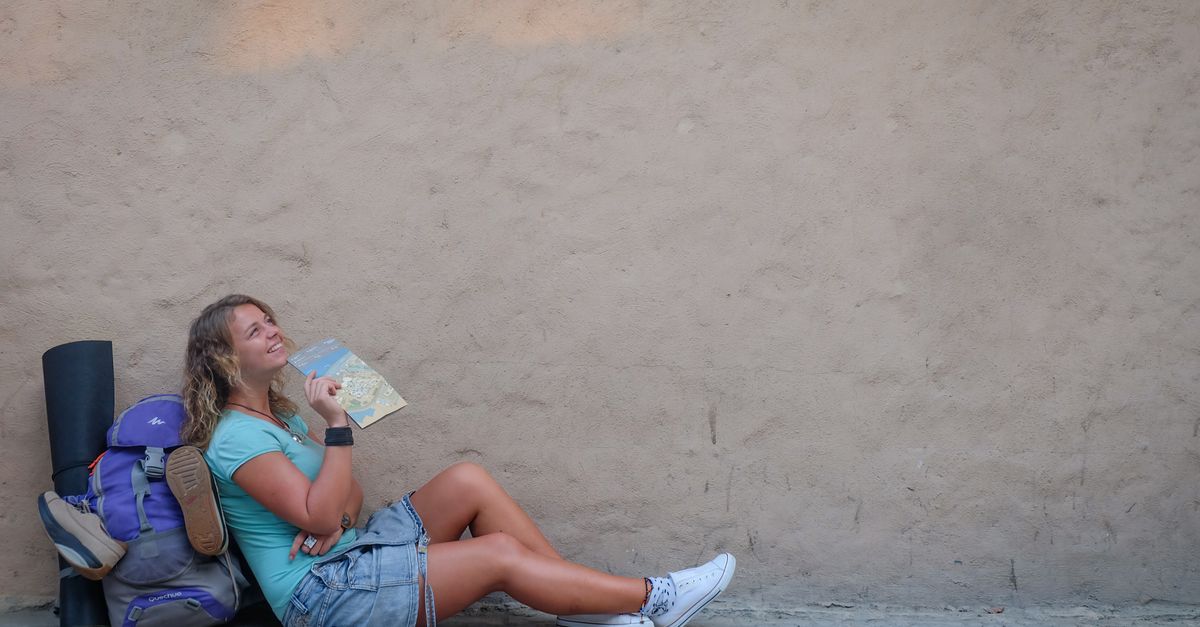
Why Solo Travel Feels Overwhelming (And How I Found My Flow)
The idea of solo travel sounds incredibly liberating, doesn’t it? Instagram feeds are full of perfectly curated shots of confident adventurers conquering mountains alone, sipping coffee overlooking ancient cities, and finding themselves amidst breathtaking landscapes. I bought into that dream hook, line, and sinker. I imagined myself as this unencumbered spirit, spontaneously booking trains, effortlessly navigating new languages, and making profound connections with locals. The reality? My first solo trip was a hot mess of anxiety, missed connections, overpriced food, and a persistent knot of loneliness in my stomach. Instead of feeling liberated, I felt paralyzed by choice, crippled by minor setbacks, and constantly second-guessing every decision. I quickly realized that the idea of solo travel and the actuality are two very different beasts.
What I’ve learned since that initial disastrous trip is that solo travel isn’t inherently overwhelming; it’s our approach to it that often creates the stress. We load ourselves up with unrealistic expectations, try to optimize every second, and then beat ourselves up when things inevitably go sideways. The truth is, the magic of solo travel—the self-discovery, the quiet confidence, the genuine connections—doesn’t happen by accident. It happens when you intentionally build systems and mindsets that allow for flexibility, reduce decision fatigue, and embrace the imperfect beauty of exploration. This isn’t about rigid itineraries; it’s about a framework that supports true spontaneity without leading to burnout.
Key Takeaways
- Embrace ‘structured spontaneity’ by planning only your arrival and departure, allowing flexibility for everything in between.
- Counter decision fatigue by pre-researching a few key options for food, transport, and activities, but committing to none.
- Cultivate true self-reliance by anticipating minor challenges and building a personal ‘problem-solving toolkit’ for the road.
- Actively seek out social interactions through specific activities and common spaces to combat loneliness.
The Illusion of Total Freedom vs. the Power of Structured Spontaneity
When I first started solo traveling, I thought ‘freedom’ meant absolutely no plans. I’d arrive in a new city with just a hostel booking (sometimes not even that), and then stare blankly at my phone for an hour, paralyzed by the sheer volume of choices. Where should I eat? What should I see first? How do I get there? Each micro-decision felt monumental, and the pressure to make the ‘right’ choice was immense. This isn’t freedom; it’s decision fatigue in its purest, most debilitating form.
What changed everything for me was realizing that true freedom on the road isn’t about the absence of all plans, but the presence of intentional flexibility. I call this ‘structured spontaneity.’ Here’s how it works: I plan my arrival and my departure. That’s it. I book my flight and my first night or two of accommodation in a new city. Beyond that, my calendar is a beautiful, terrifying blank slate. This gives me the mental space to adjust, explore unexpected opportunities, and truly follow my intuition, rather than being bogged down by the tyranny of choice.
For example, on a recent trip to Portugal, I landed in Lisbon with two nights booked. After exploring for a day, I met a local who raved about a small, lesser-known town called Óbidos. If I had pre-booked a full week in Lisbon, I would have missed that gem. Instead, I finished my two nights, found a bus to Óbidos, and spent three enchanting days there. My only ‘plan’ was to keep moving and trust that opportunities would arise. This isn’t about being irresponsible; it’s about trusting your ability to adapt and curate your experience in real-time. It means you might spend 20 minutes on Booking.com over breakfast, rather than 20 hours before your trip even begins. The key is to reduce the number of decisions you have to make before you leave, saving your mental energy for the actual experience.
Overcoming Decision Paralysis: The 3-Option Rule
One of the biggest stressors for solo travelers is the constant barrage of decisions: where to eat, what activity to do, how to get from A to B. For introverted travelers like myself, this can be utterly draining. The mistake I see most often is people trying to research everything exhaustively to find the ‘best’ option, which only leads to more overwhelm.
What works better is the ‘3-Option Rule.’ Before I head out for the day, or even before arriving in a new city, I do a minimal amount of research to identify 2-3 viable options for anything I anticipate needing to decide on. For instance, if I’m looking for dinner, I’ll find three restaurants that fit my general criteria (e.g., local cuisine, good reviews, within walking distance). I don’t pore over every single Yelp review; I just want a few decent, pre-vetted choices. The moment I feel myself getting bogged down, I stop.
This simple rule drastically reduces decision fatigue. When I’m actually hungry, I glance at my three options and pick one without agonizing. If none of them feel right in the moment, I know I’ve done enough research to confidently pick a fourth option on the fly. This isn’t about finding the absolute best pizza in Rome; it’s about finding a great, reliable pizza without spending an hour on your phone. It builds confidence that you can make good choices quickly, rather than stressing over hypothetically perfect ones. This applies to everything from transportation (train vs. bus vs. ride-share) to afternoon activities (museum vs. park vs. local market). Have a few good choices, and empower yourself to pick one and move on.
Anticipating the Inevitable Bumps: Building Your Resilience Toolkit
No matter how meticulously you plan (or don’t plan), things will go wrong when you travel. Bags get lost, buses are late, language barriers prove insurmountable, and sometimes, you just feel utterly lost. When you’re solo, there’s no travel partner to commiserate with or delegate problems to. This is where many solo travelers (including my past self) crumble.
What changed everything for me was shifting my mindset from avoiding problems to anticipating them and building a personal ‘resilience toolkit.’ This isn’t about being a pessimist; it’s about being prepared. Here are a few concrete examples of what’s in my toolkit:
- Digital Copies of Everything Important: Passport, visas, flight bookings, accommodation details, insurance information. I store them in a secure cloud folder and email a copy to myself. Lost phone? No problem, I can access it from an internet cafe.
- Offline Maps: Google Maps allows you to download entire regions for offline use. This is a game-changer when you’re without Wi-Fi or data, especially in a new city. Knowing I can always find my way back to my accommodation, even if my battery dies, is incredibly reassuring.
- Emergency Cash & Backup Credit Card: Beyond my main wallet, I always stash 50-100 USD (or local equivalent) and a backup credit card in a completely separate, hidden spot. A lost wallet or a card mysteriously blocked by the bank won’t derail my entire trip.
- Basic First Aid Kit: Blisters, headaches, small cuts – these minor ailments can feel huge when you’re alone and don’t know where to find a pharmacy. A small kit with band-aids, pain relievers, antiseptic wipes, and any personal medications is essential.
- Pre-downloaded Entertainment: Long bus rides, flight delays, or just quiet evenings can amplify loneliness. Having a few podcasts, audiobooks, or movies downloaded means I always have a source of comfort and distraction, even without internet.
These small preparations don’t eliminate problems, but they significantly reduce the emotional impact when they occur. They transform a potential disaster into a minor inconvenience, boosting your confidence in your ability to handle anything that comes your way.
Combatting the Loneliness Factor: Intentional Connection Strategies
The biggest unspoken fear of solo travel for many is loneliness. It hits differently when you’re surrounded by couples and groups, and you have no one to share a beautiful moment with, or vent about a travel mishap. My early solo trips were punctuated by pangs of profound loneliness, especially during meals.
My solution wasn’t to magically become an extrovert, but to adopt specific, intentional strategies for connection. This isn’t about forcing friendships, but about creating opportunities for genuine interaction:
- Stay in Hostels (Even if You’re Not 20): Many hostels now offer private rooms, and their communal spaces (kitchens, lounges, bars) are goldmines for meeting other travelers. Even just asking another solo traveler about their plans can spark a conversation.
- Join Group Activities: Walking tours, cooking classes, pub crawls, language exchange meetups – these are perfect for a low-pressure social environment. You already have a shared interest, so conversations flow naturally.
- Eat at Bars/Communal Tables: Instead of sitting alone at a quiet restaurant table, opt for establishments with bar seating or communal tables. Engaging with the bartender or fellow diners is much easier in these settings.
- Learn a Few Key Local Phrases: A simple ‘Hello,’ ‘Thank you,’ and ‘Can I have the bill?’ in the local language can open doors. Locals appreciate the effort, and it often leads to warmer interactions than relying solely on English.
- Schedule Check-ins: A quick video call with a friend or family member every few days can do wonders for mental well-being. It provides a sense of connection and a chance to share your experiences, reducing the feeling of isolation.
These strategies aren’t foolproof, and you’ll still have moments of solitude. But by actively creating avenues for connection, you shift from passively hoping for interaction to proactively fostering it, significantly reducing the chances of overwhelming loneliness.
Frequently Asked Questions
How do I deal with the anxiety of not having a rigid plan?
Embrace it as part of the adventure! Start by pre-booking only your first 1-2 nights of accommodation and your arrival transportation. Let everything else unfold. Remind yourself that you have the tools (offline maps, emergency cash) to handle unexpected changes. The more you practice this ‘structured spontaneity,’ the more confident you’ll become in your ability to adapt.
What if I get lost and don’t have phone service?
This is where your resilience toolkit comes in. Always download offline maps for the areas you’ll be visiting before you lose service. Carry a small, portable power bank to charge your phone. If all else fails, ask a local for directions – most people are happy to help, especially if you attempt a few words in their language.
Is it safe to travel solo as a woman?
Safety is a primary concern for all solo travelers, especially women. Research destinations thoroughly, paying attention to local customs and common scams. Stick to well-lit, populated areas at night. Trust your gut feeling – if a situation feels off, leave. Share your itinerary with a trusted friend or family member. Many women travel solo successfully by exercising heightened awareness and common-sense precautions.
How can I make sure I don’t overspend without a detailed budget?
While a detailed daily budget might feel overwhelming, a general awareness of costs is crucial. Research the average cost of a meal, transportation, and common activities in your destination. Use the ‘3-Option Rule’ to select cost-effective choices (e.g., one cheap, one mid-range, one splurge option for dinner). Track your spending loosely with a simple app or notebook. The goal is financial awareness, not punitive restriction.
What if I don’t meet anyone and feel lonely throughout my trip?
Loneliness is a real part of solo travel. Focus on intentional connection strategies: stay in hostels with social areas, join group tours, and eat at lively bars or communal tables. Engage with locals using a few basic phrases. Remember, short, genuine interactions can be just as fulfilling as deep friendships. It’s okay to have quiet days; balance them with proactive efforts to connect.
Conclusion: Finding Your Rhythm on the Road Less Traveled
Solo travel, in its purest form, is an incredible journey of self-discovery and growth. But it’s not an automatic transformation. My own experiences taught me that the initial overwhelm isn’t a sign you’re not cut out for it; it’s a sign you need to adjust your strategy. By moving from the illusion of total freedom to the power of structured spontaneity, by countering decision paralysis with simple rules, by building a robust resilience toolkit, and by intentionally seeking connections, you can transform a daunting prospect into a deeply rewarding experience. The goal isn’t to eliminate every challenge, but to equip yourself to navigate them with confidence, allowing the genuine joy and unique insights of solo exploration to shine through. So, pack your bags, prepare your mindset, and get ready to discover not just new places, but a more capable, confident version of yourself.
Written by Clara Bellwether
Adventure Travel & Spontaneous Exploration
An intrepid adventurer, Clara champions spontaneous travel and finds the unexpected joys in off-the-beaten-path experiences.
You Might Also Like
Why Most Travel Backpacks Fail Most People (And What Actually Works for Real Comfort & Durability)
Discover why common travel backpacks disappoint and learn what truly makes a great pack for comfort, durability, and organization.

Why Most Travel Itineraries Feel Too Rigid (And What Actually Works for Spontaneous Adventure)
Discover why rigid travel itineraries stifle adventure and learn a flexible framework for spontaneous, memorable journeys. Clara Bellwether shares her secrets.